Diesel Went Up Again: How Trucking Margins in India Disappear (and How to Stop It)
29 Dec 2025
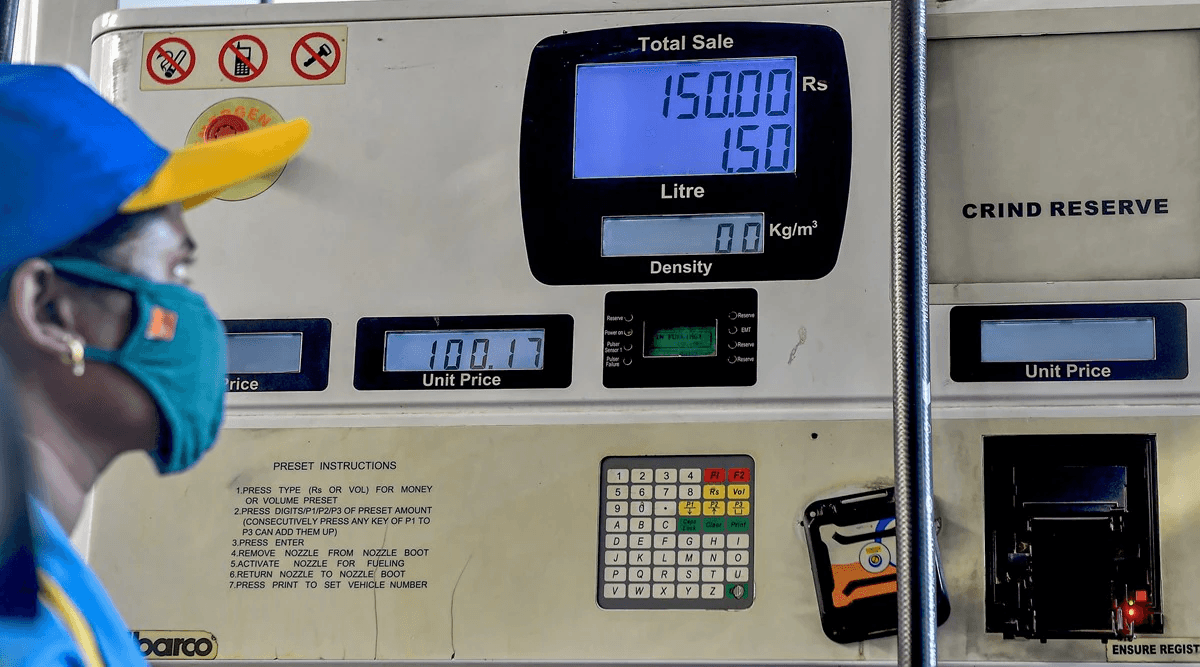
Diesel Up. Margin Down.
There’s a specific kind of message that travels fast in Indian logistics circles.
A short WhatsApp forward. A screenshot. A casual line:
“Diesel same / diesel up.”
Nobody panics immediately. But everyone does the same mental math—because diesel doesn’t just increase cost. It squeezes margin.
And in trucking, margin is usually thin enough that a squeeze quickly becomes a shock.
Diesel Prices Aren’t Just Numbers
Fuel is priced differently across states, but as of late December 2025, published rates showed diesel at roughly ₹87–88 per litre in Delhi and ₹92 per litre in Mumbai.
These numbers aren’t trivia.
They’re a reminder that your biggest variable cost can change overnight, while your freight rates stay exactly where they are.
The Gap That Hurts: Cost Moves Today, Revenue Moves Later
When diesel rises, your expense rises immediately—on today’s refuelling and today’s trip.
Freight rates, on the other hand, adjust slowly.
Contracts don’t reopen overnight.
Approvals take time.
Cash cycles don’t suddenly become generous.
So the transporter absorbs the hit first.
That’s where margins disappear.
A Delhi–Mumbai Reference That Makes It Real
A well-cited government study on trucking economics pegs the operating cost of a diesel heavy-duty truck on the Delhi–Mumbai long-haul corridor at around ₹34 per kilometre.
You may operate higher or lower depending on payload, route, and discipline. But the point is simple:
Trucking economics are already tight in ₹/km terms.
A small change, multiplied over thousands of kilometres, becomes a very big number.
The Simple INR Math (Illustrative, but Useful)
Let’s keep this practical.
Assume a truck averages 3 km per litre on a long-haul run.
If diesel is ₹90 per litre, fuel cost is about ₹30 per km.
Now diesel rises by ₹5 per litre.
That adds roughly ₹1.67 per km (₹5 ÷ 3).
If a truck runs 3,000 km in a week, that’s about ₹5,000 extra per week per truck.
For a fleet of 50 trucks, that’s ₹2.5 lakh per week.
This is why diesel hikes feel immediate.
They don’t add up slowly—they multiply brutally.
Why Some Operators Feel the Pain More
Diesel inflation doesn’t hit everyone equally.
It hurts most when utilisation is weak.
Empty kilometres mean fuel burned with no revenue.
Long unloading delays mean time and diesel spent without movement.
Poor planning turns fuel into waste instead of earnings.
At a broader level, national logistics benchmarking has shown how expensive road freight becomes when efficiency drops. Road transport remains far costlier per tonne-kilometre than rail, which makes tight execution non-negotiable.
Whether or not you can shift modes, the message is the same:
road freight needs discipline, or it gets expensive fast.
The Real Margin Killers (Diesel Just Exposes Them)
Most fleets don’t lose money because diesel rises.
They lose money because diesel rises and inefficiencies already exist.
The usual culprits are familiar:
Waiting time
Hours lost at loading or unloading points destroy daily productivity and often burn fuel in the process.
Empty kilometres
Every empty run is diesel spent to produce nothing.
“Good” lanes that aren’t actually good
Once you factor in tolls, congestion, delays, and weak return loads, many profitable-looking routes quietly turn negative.
What to Do When Diesel Rises (Without Panic)
The right response isn’t dramatic.
It’s disciplined.
First, stop relying on average fleet margin. Look lane by lane. One bad corridor can pull the entire operation down.
Second, treat waiting time as a real cost, not a normal inconvenience.
If you can’t charge for it, price around it.
If you can’t price around it, reduce exposure.
Third, make utilisation a daily habit—fewer empty kilometres, better sequencing, and more realistic backhaul planning.
Fleets that survive diesel spikes are usually the ones that waste less fuel even when prices are stable.
Where AI Actually Saves Money (Not Just Slides)
AI matters when it shows up in INR.
That means:
Better trip planning that cuts idle time and detours
Identifying suspicious fuel consumption patterns
Visibility into customers and locations that repeatedly break schedules
Smarter matching that reduces empty kilometres
AI is valuable when it creates fewer bad days and fewer wasted kilometres—not when it just looks impressive.
Closing Thought
You can’t control diesel prices.
But you can control how much diesel your operation wastes.
In Indian trucking, that difference is often the line between
“still profitable” and “why are we even running this lane?”